

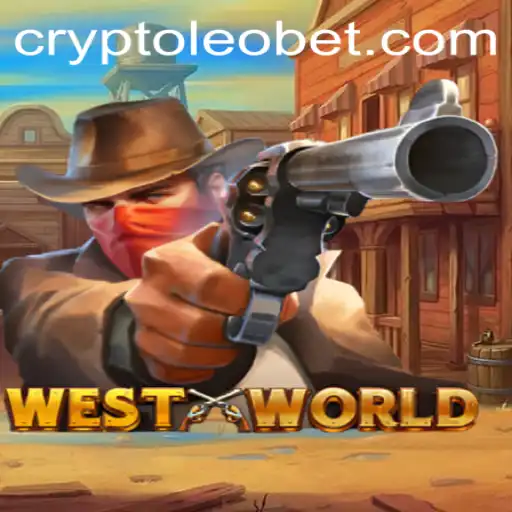
Unveiling WestWorld: A New Era of Interactive Gaming
WestWorld emerges as a groundbreaking addition to the realm of interactive gaming, captivating players with its intricate narratives and immersive gameplay. Set in a sprawling digital universe, WestWorld challenges players to engage in strategic quests, unravel hidden mysteries, and navigate complex character dynamics that dynamically interact with real-world events.
The Game Design and Concept
The core design of WestWorld incorporates elements of role-playing games (RPGs) with an emphasis on strategic decision-making and narrative depth. At its heart, the game is a dynamic sandbox environment that reacts to players' decisions, allowing for a truly personalized gaming experience. Players delve into quests that range from uncovering hidden treasures to forming alliances with non-playable characters (NPCs) who possess unique abilities and story arcs.
Distinctive to WestWorld is its open-world setting which mirrors contemporary societal themes. Players experience a world affected by environmental changes, political shifts, and technological advancements, making each playthrough a reflection of real-world happenings. This integration of current events makes WestWorld not only a game but also an insightful commentary on modern-day challenges.
Getting Started: An Introduction to WestWorld
Entering the world of WestWorld begins with the creation of a unique avatar tailored to players' preferences. Customization options abound, with choices that impact the gameplay and narrative. Once an avatar is crafted, players are introduced to their first task through an interactive tutorial that explains the fundamental mechanics and controls of the game.
The initial phase equips players with essential skills such as navigation, combat techniques, and resource management. As players progress, they encounter various factions each with their own agendas and allegiances. Aligning with these factions can significantly alter the course of the game, providing a spectrum of endings based on the alliances formed and decisions made.
Unique Features and Keywords to Explore
One of the standout aspects of WestWorld is its integration of the unique keyword turtlepg. This element introduces a layer of intrigue and complexity, acting as a critical clue in certain quests and puzzles. The mythology of turtlepg is woven into the fabric of the game's lore, encouraging players to explore its significance and unlock hidden paths that offer valuable rewards.
Turtlepg represents a mysterious faction revered across different regions of the game map. This elusive group provides powerful enhancements and insights into unraveling the game's central mysteries, making it indispensable for players aiming to achieve comprehensive mastery of WestWorld's expansive universe.
Rules of Engagement: Understanding Gameplay Dynamics
WestWorld employs a set of comprehensive rules that govern player interactions, the economy, and conflict resolution. Understanding these mechanics is key to strategic advancement in the game. Gameplay is split into several key components: exploration, combat, resource acquisition, and alliance management.
Exploration involves traversing diverse terrains ranging from arid deserts to dense forests, each harboring unique resources and challenges. Players must adapt to environmental conditions and leverage the skills of their avatar to survive and thrive in these environments.
Combat in WestWorld is both tactical and visceral. Players can engage in battles with hostile NPCs or rival factions, utilizing an array of weapons and abilities. Strategic planning is essential, as each victory pushes players closer to their overarching goals while ensuring survival.
Acquiring and managing resources is a pivotal aspect of the game. Players must gather materials to craft weapons, build structures, and trade with in-game merchants. Efficient management of resources translates directly to enhanced player capabilities and increased influence among factions.
Lastly, forming and maintaining alliances offers significant strategic advantages. Players can negotiate treaties, join forces for joint missions, or betray allies for personal gain. Decisions made within these alliances impact the game’s narrative, allowing players to create a legacy that reflects their ethical compass and strategic acumen.
The Impact of Current Events
WestWorld stands out for its responsiveness to current global events. The game developers have skillfully integrated contemporary themes, such as environmental conservation and technological ethics, into the gameplay. This ensures that as the real world evolves, so too does WestWorld, keeping the gaming experience relevant and engaging.
Players often encounter quests and challenges inspired by real-world issues like climate change and geopolitical tensions. Engaging with these elements provides a reflective experience, prompting players to contemplate the implications of their actions both within and outside the game environment.
By continuously updating the game to mirror societal trends, WestWorld not only entertains but also educates players about the intricate tapestry of our modern world.
Engagement and Community
The community surrounding WestWorld is active and passionate. Players share strategies, create fan art, and organize events to deepen their involvement with the game. This sense of community fosters a vibrant online presence where players exchange ideas and collaborate on solving the game's most challenging puzzles.
Through forums and social media platforms, players regularly discuss new game updates and strategies, enhancing the collective knowledge and enjoyment of WestWorld. Developers often engage with this community, taking feedback to improve the gaming experience and ensure that WestWorld remains at the forefront of interactive entertainment.
Explore the captivating features, immersive gameplay, and unique rules of the game WestWorld. Dive into the world of strategic adventures and gripping narratives intertwined with real-world dynamics.